
The Costs of Being a Knight
Le Morte d'ArthurThis flow traces the bodily risks, vows, obligations, and eventual spiritual costs that define the lives of Arthur’s knights.
increasing Bearing strength in each event
 decreasing
Bearing strength in each eventdecreasingKnighthood Begins with a Vow
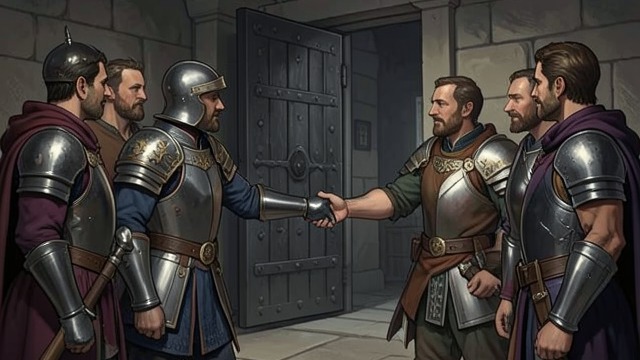
A Public Calling
An order with duties
The knights swear to speak truth, maintain right, practice courtesy, and protect the weak. Knighthood is presented as both a social station and an obligation.
The vow sets a measure
The stories judge knights not just by victories but by whether they honor their commitments. Each later failure becomes more serious because the standard was publicly accepted.
Armor and the Body
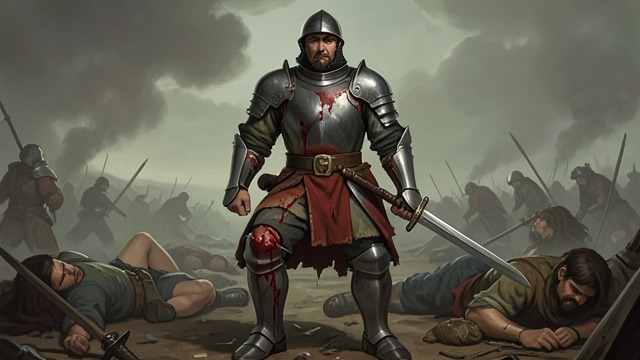
Courage Has a Physical Price
Wounds accumulate
Knights suffer broken limbs, poisoned injuries, and blood loss. Their bodies carry the cost of battles fought for love, honor, and royal command.
Recovery is uncertain
Some are healed by skill or holy grace, while others die far from home. The narrative refuses to make prowess a guarantee of survival.
Reputation and Renown
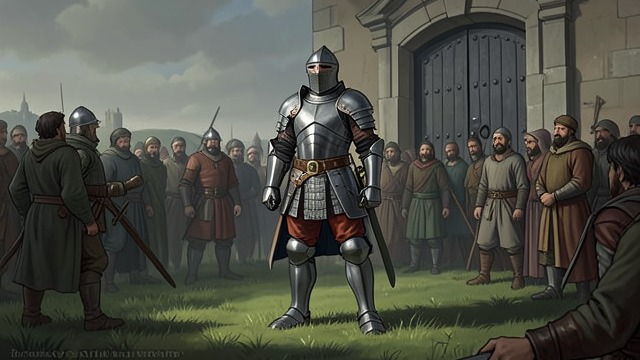
Fame Shapes a Knight’s Future
Deeds are witnessed
Tournaments and public rescues create a record of each knight’s worth. Launcelot, Tristram, and Gareth gain reputations through visible action.
Renown creates pressure
Once praised, a knight is expected to repeat his success. That pressure encourages dangerous challenges and can make retreat appear worse than death.
A Knight’s Penance
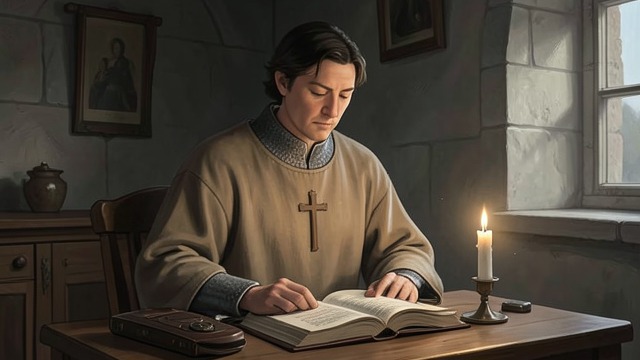
The Knight Faces His Soul
A different judgment
Launcelot learns that mastery in arms cannot substitute for spiritual purity. His failure at the Grail becomes a judgment upon a life of desire and pride.
Service changes form
He eventually becomes a priest and hermit, exchanging tournaments and royal service for prayer and bodily labor. The final honor of his life is not public renown but repentance.
Death in the Fellowship
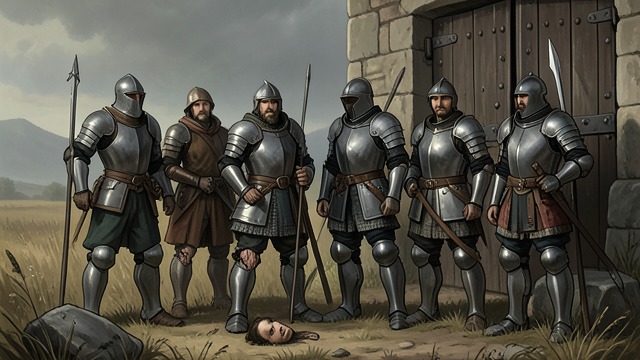
The Knightly Life Ends
Companions are lost
Gawaine, Arthur, Mordred, Launcelot, and many other knights die. The old order’s celebrated prowess cannot protect it from civil conflict.
Survivors carry the memory
Bors and a few companions live on, but their fellowship is scattered. The conclusion makes the cost of knighthood the loss of the very community it promised to defend.
At the Pentecost feast when Arthur’s knights renew their pledges
Across the early battles and tournaments
During the flourishing years of the Round Table
After Launcelot’s failure in the Grail quest
During and after the final war
